
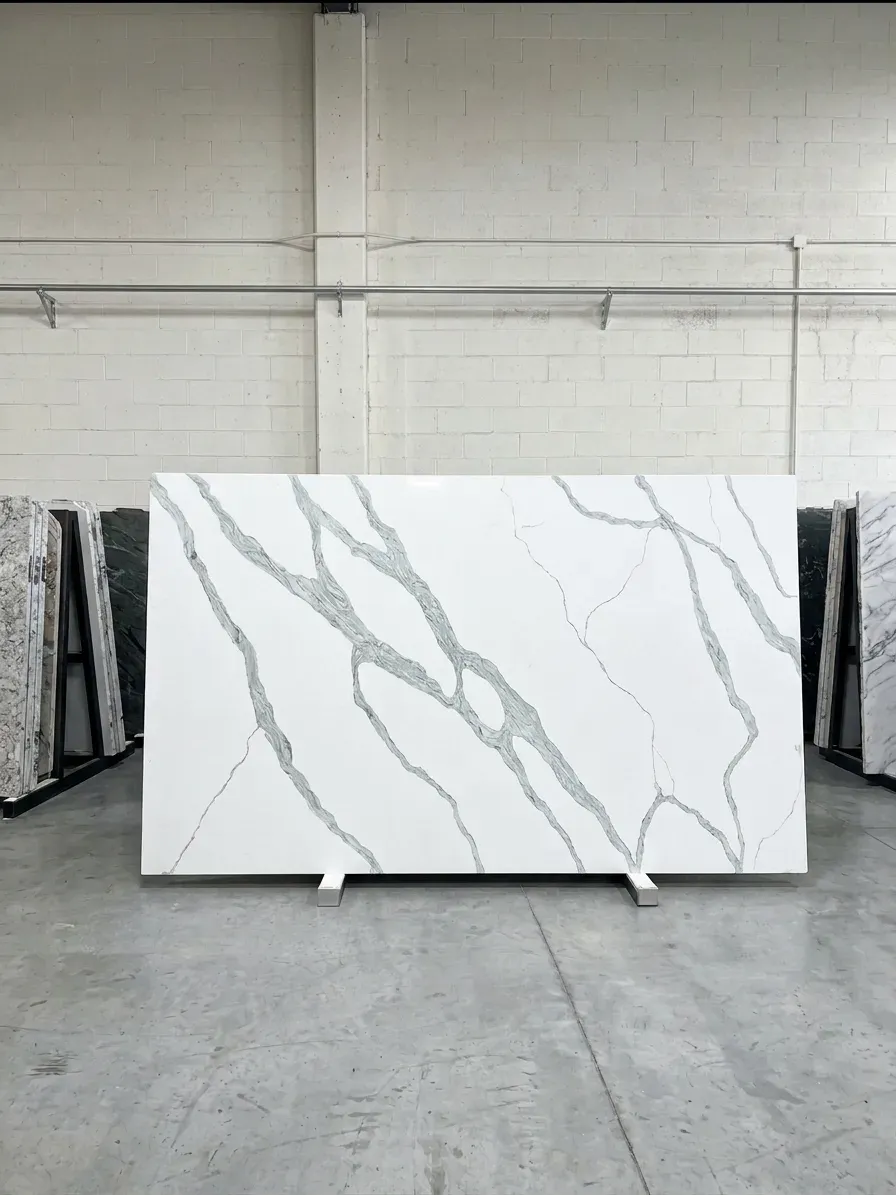
CLEARANCE
Manufactured Surface Comparison
Compare Quartz and Porcelain as the two buyer-facing manufactured-surface categories on The Stone Index. Zero- and ultra-low-silica products stay inside Quartz inventory and are identified by their product-specific silica claims.
| Factor | Quartz | Porcelain / Sintered Stone | Low-Silica Quartz |
|---|---|---|---|
| How TSI classifies it | Separate manufactured-surface category. | Porcelain and Sintered Stone remain separate listing labels but share a buyer landing page. | A product subset within Quartz inventory, identified by a zero- or ultra-low-crystalline-silica claim. |
| General material basis | Manufactured slab category traditionally associated with mineral or quartz aggregate and binders. Exact formulation varies by brand. | Porcelain slabs are ceramic products fired at high temperature. Sintered-stone formulations and processes vary by manufacturer. | Still grouped as Quartz for shopping and inventory. Exact formulation varies by manufacturer and product line. |
| Silica claims | Do not assume one silica percentage across every quartz product. | Use the product SDS and fabrication guidance for the exact slab. | Zero and ultra-low silica are product-specific claims, not a guarantee for every Quartz slab. |
| What to verify before fabrication | Brand, thickness, slab size, edge requirements, warranty and fabrication instructions. | Thickness, panel handling, cutouts, edge design, tooling and installer experience with the exact product. | Exact silica claim, current SDS, product line, thickness, approved uses and fabrication instructions. |
| Current TSI listings | 77 active full-slab listings | 92 active porcelain/sintered full-slab listings | 5 active low-silica Quartz listings |
| Current listed price range | $289–$1,927 | $600–$1,926 | Seller pricing varies |
Inventory figures are live marketplace data and change as sellers add, sell or update listings.
Quartz is still a familiar shopping term, but product composition can differ across brands and generations. Compare the exact product rather than assuming every slab labeled Quartz has an identical formulation.
These are kept as separate listing labels. They share a buyer page because large-format porcelain and sintered surfaces are often evaluated for similar countertop and wall projects, not because they are technically identical.
Zero- and ultra-low-silica products remain inside the Quartz shopping category. Their silica content is a separate product attribute, so buyers and fabricators should verify the current technical documentation for the exact slab.
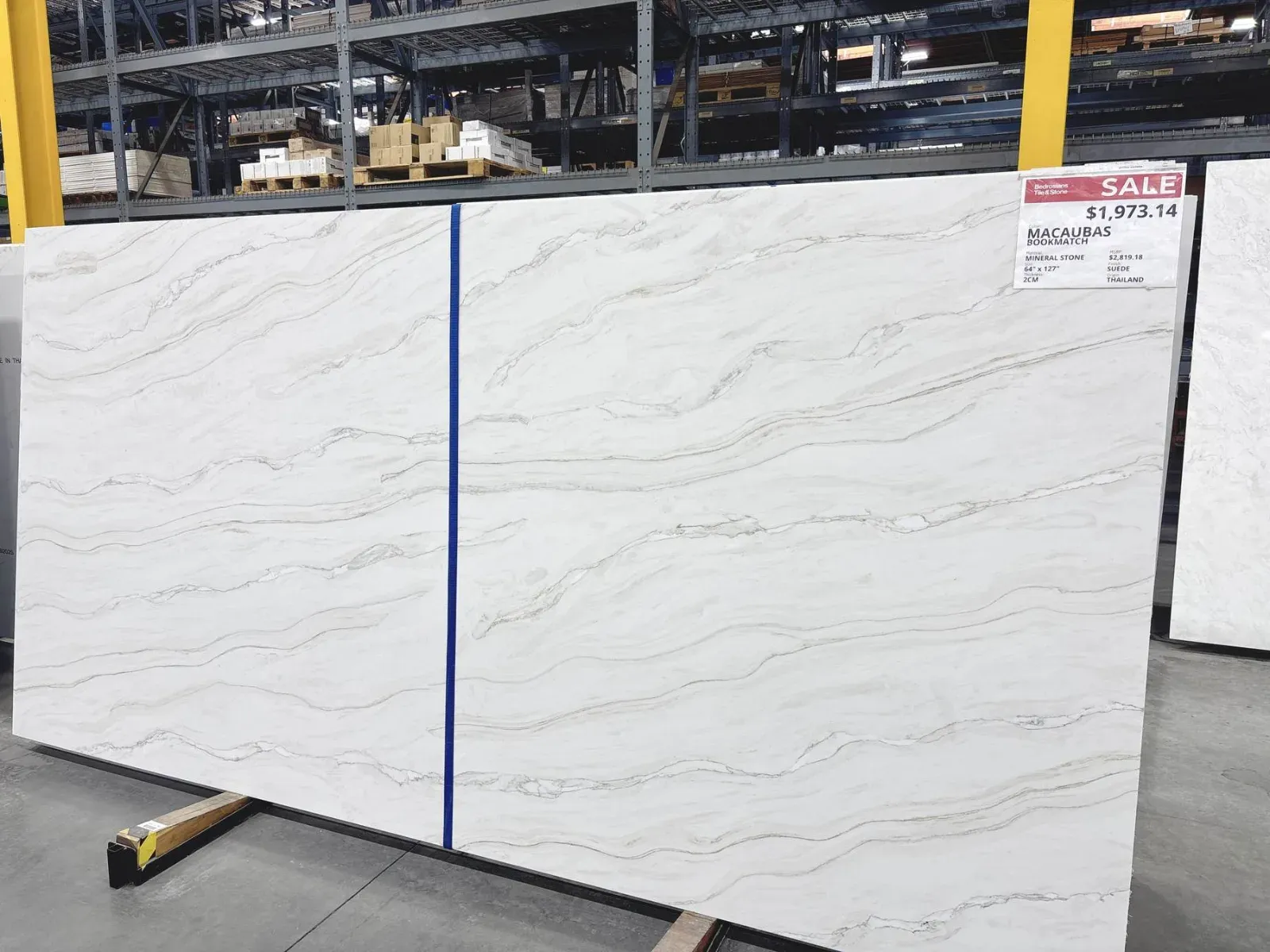
77 active listings · 902 confirmed pieces · 5 sellers

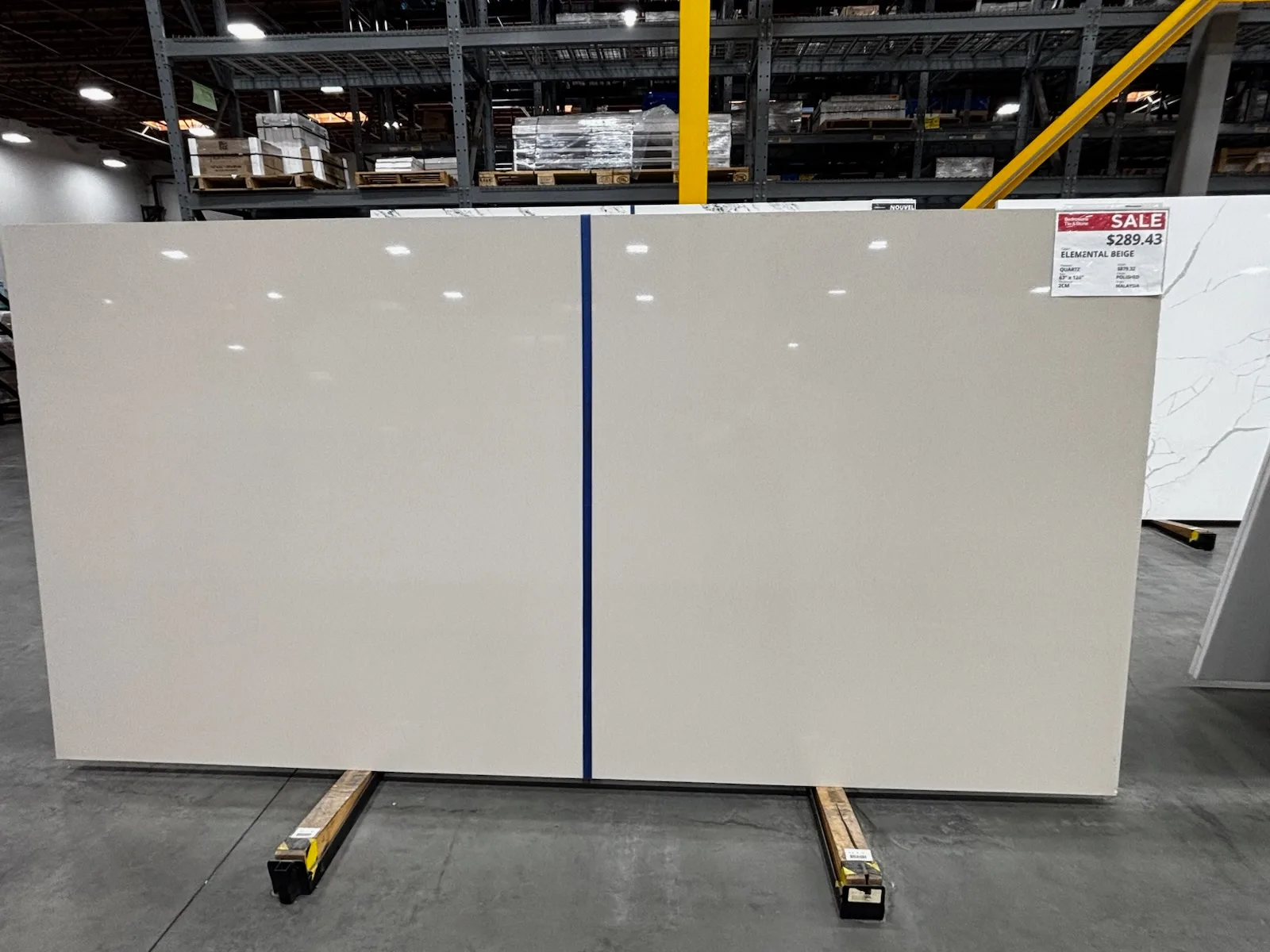
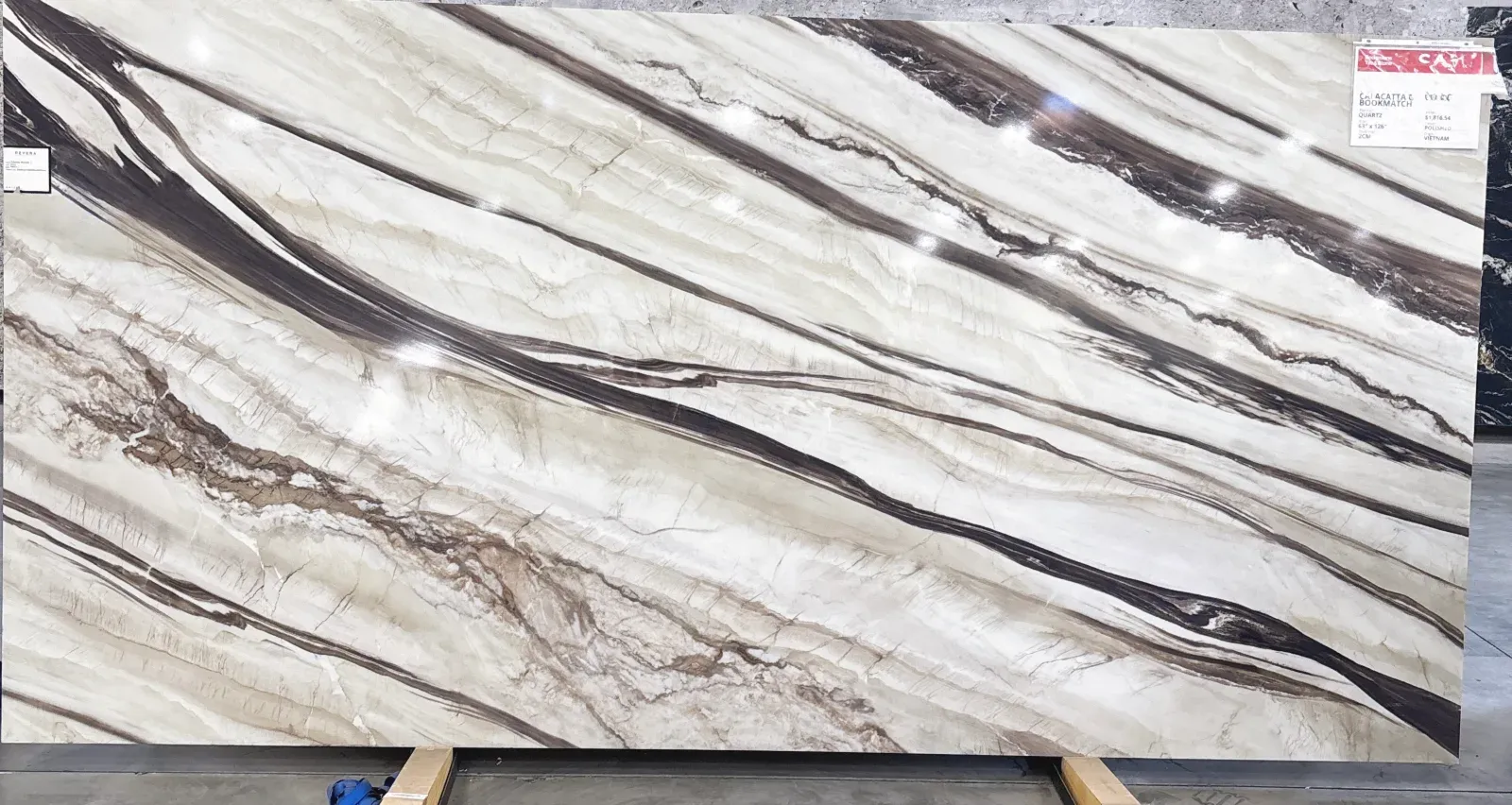
92 active listings · 248 confirmed pieces · 5 sellers


5 active listings · 18 confirmed pieces · 1 seller
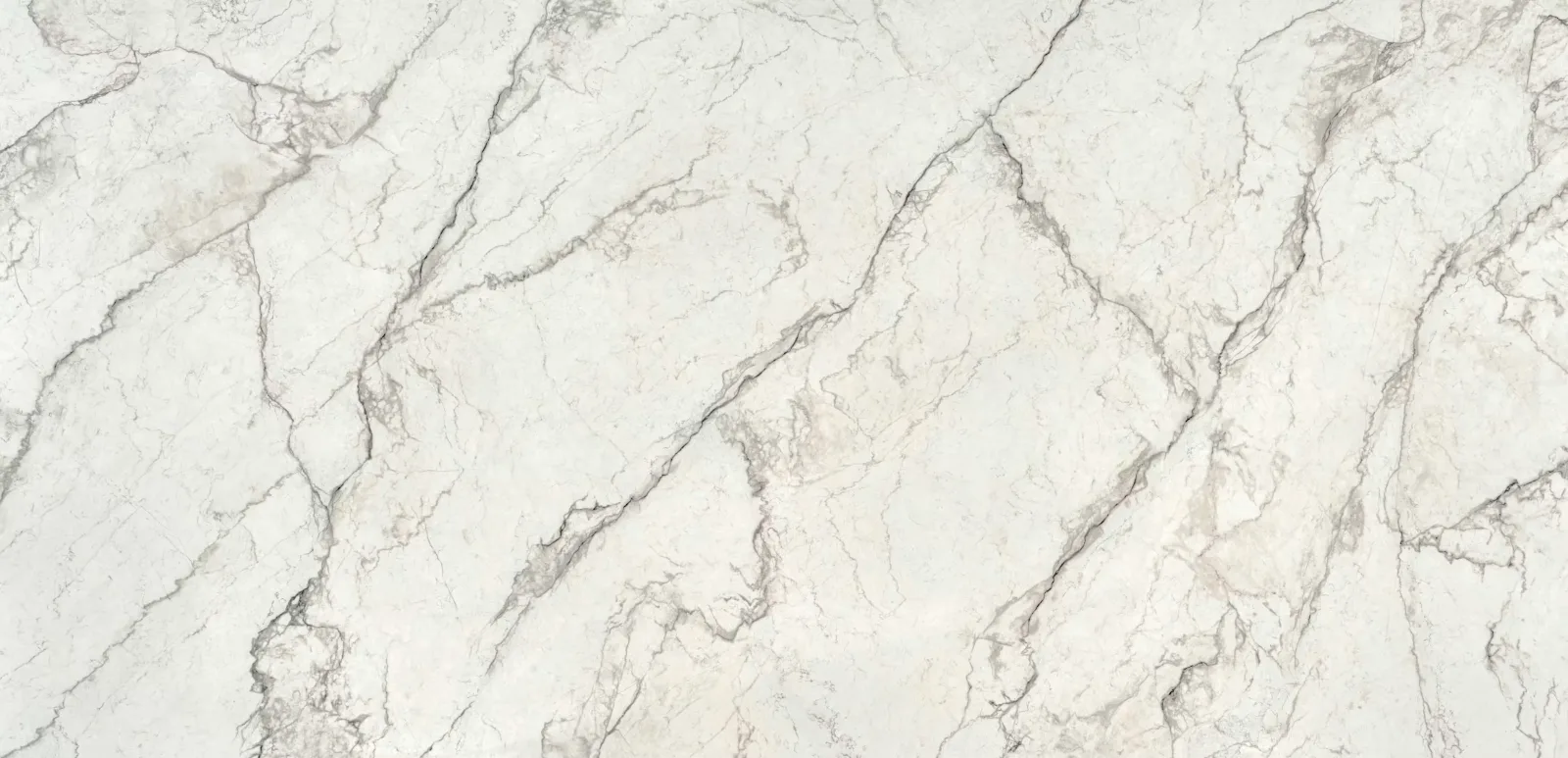
Size on request
Special Price
Pacific Shore Stones
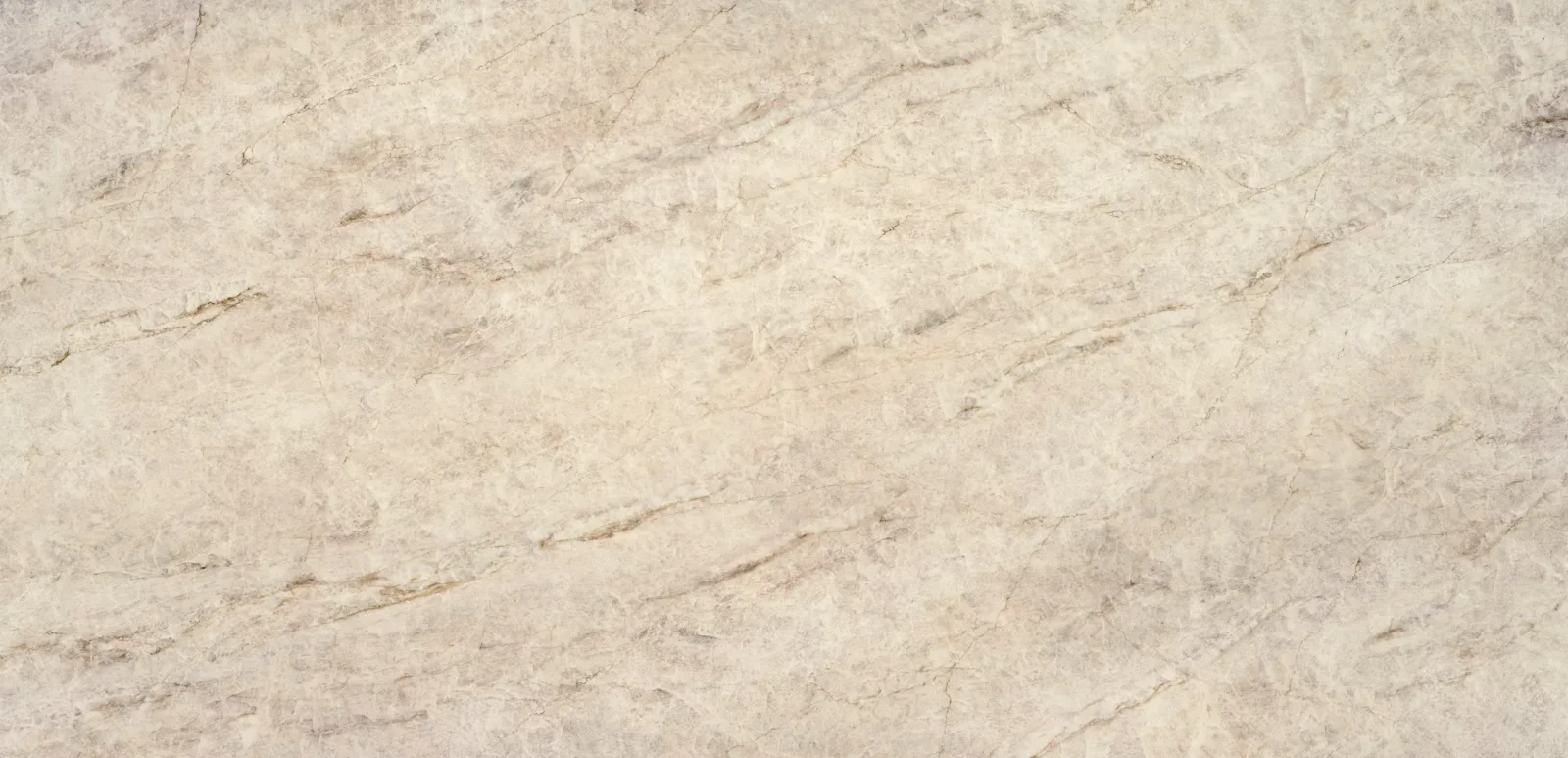
Size on request
Special Price
Pacific Shore Stones
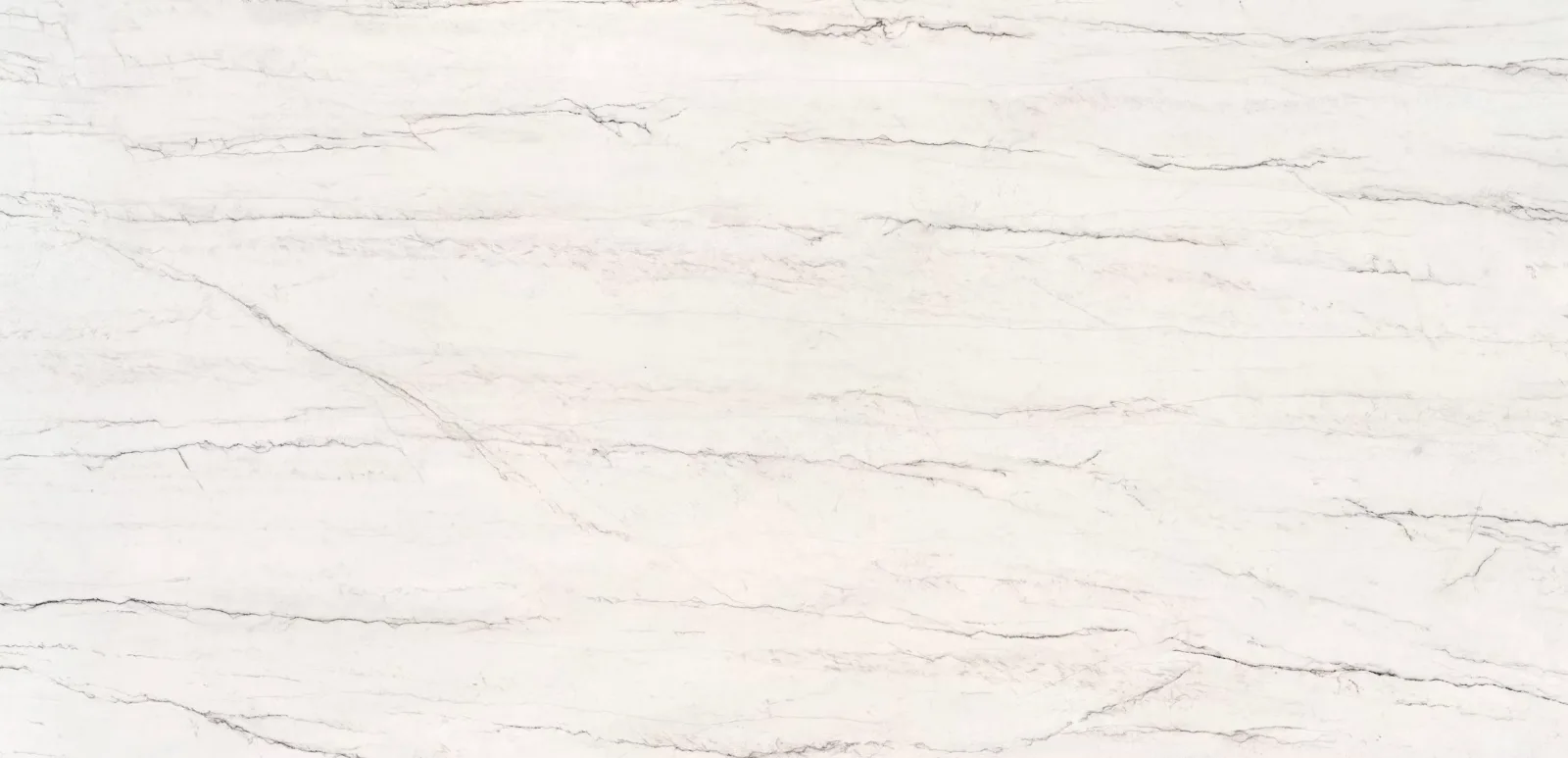
Size on request
Special Price
Pacific Shore Stones
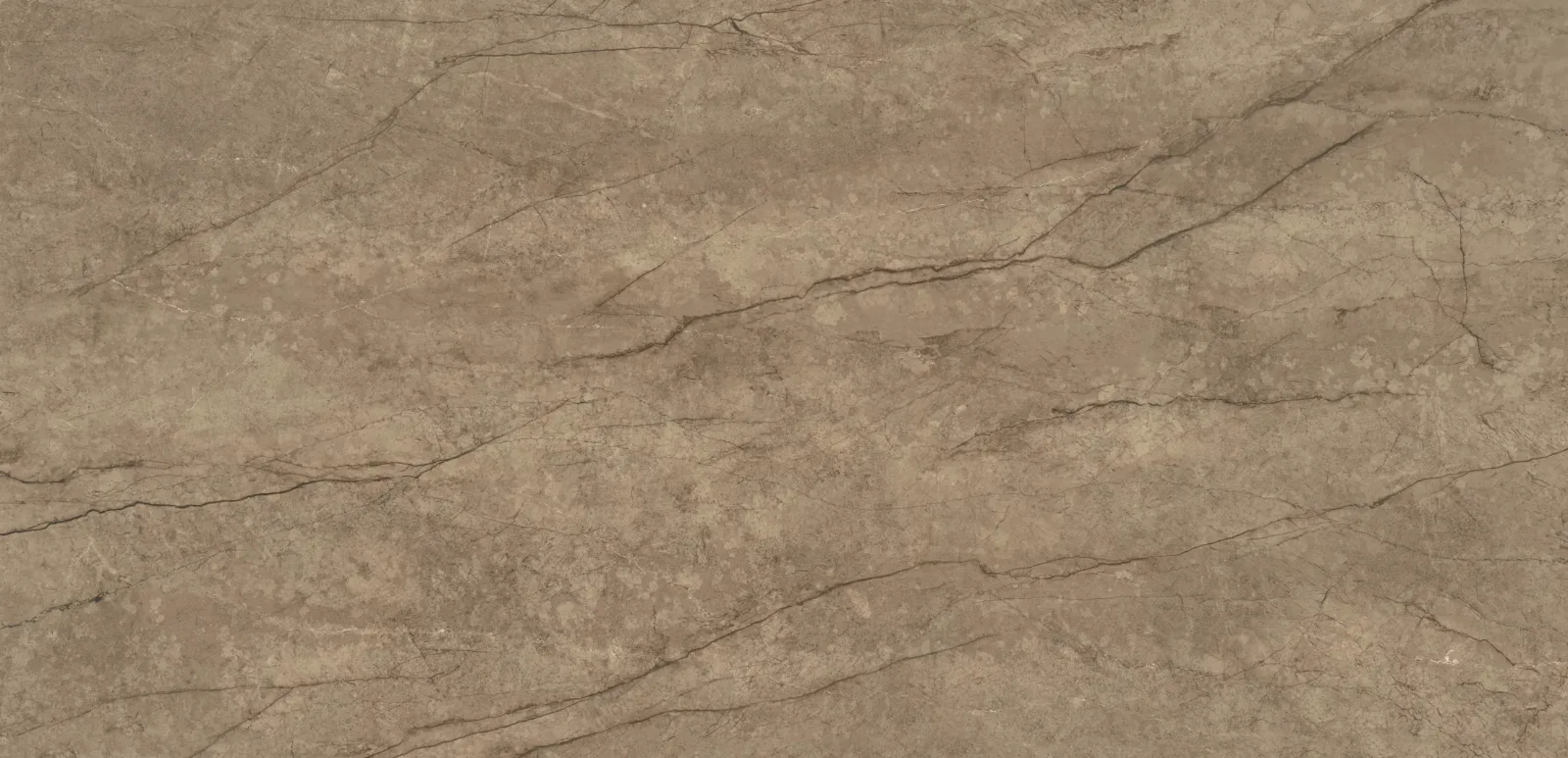
Size on request
Special Price
Pacific Shore Stones
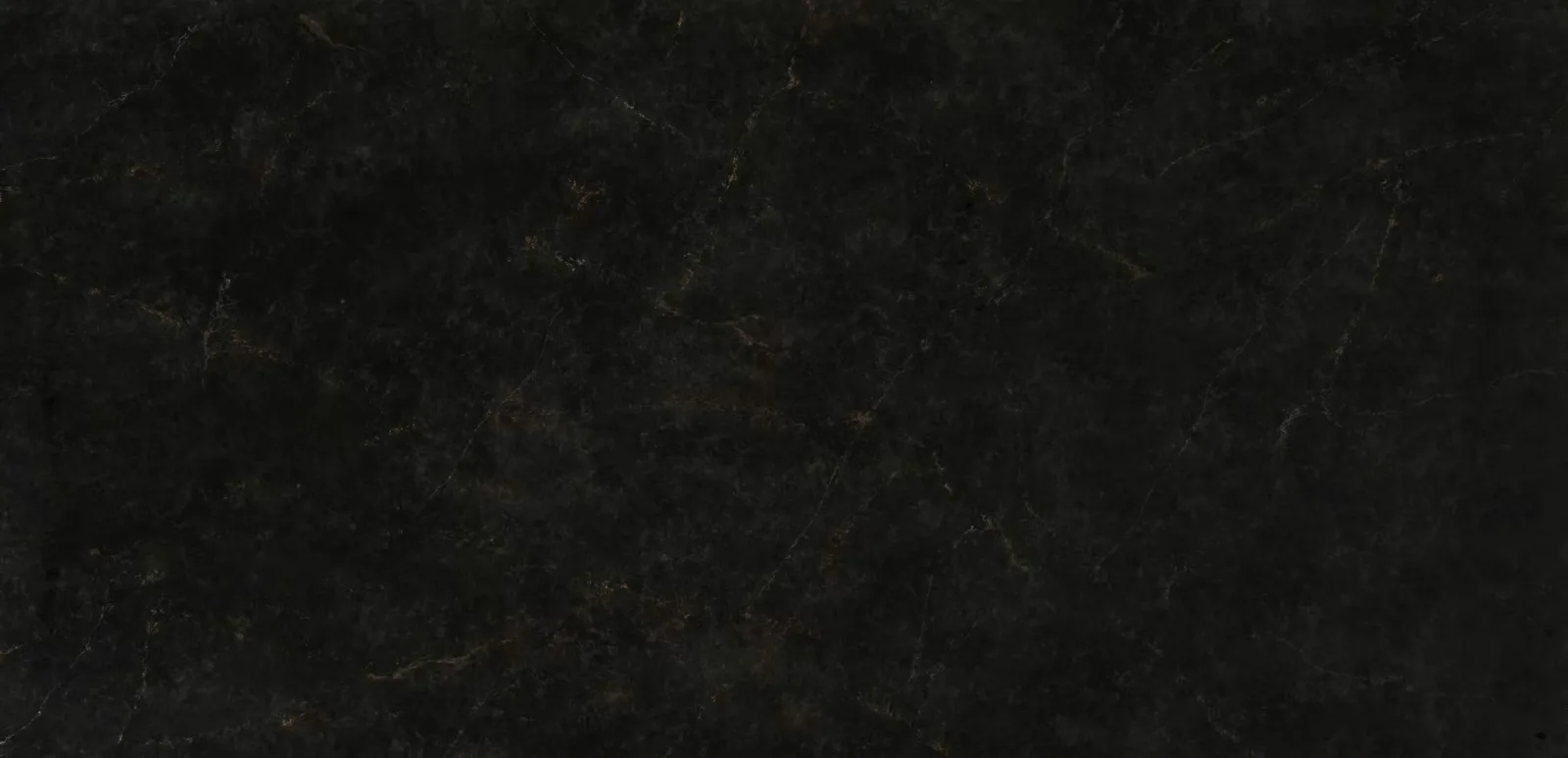
Size on request
Special Price
Pacific Shore Stones
No. Quartz is a manufactured countertop-surface category, while porcelain is a fired ceramic slab category. The Stone Index keeps them as separate buyer-facing material categories.
No. Crystalline silica content varies by manufacturer and product. Zero- and ultra-low-silica products are treated as a subset of Quartz inventory and should be verified against the current technical documentation for the exact product.
No. The Stone Index preserves Porcelain and Sintered Stone as separate listing labels. They are often compared together because both are large-format manufactured slab options used for many of the same countertop and wall projects.
There is no single answer for every project. The right choice depends on the exact product, design, thickness, edge requirements, fabrication capability, intended use, budget and current local availability.